Indonesia2010
Wed 17 Mar
Staying in Bukittinggi
Translated from the original Japanese journal.
Day 14 — The jungle trek of our dreams
Our main reason for coming to Indonesia was jungle trekking in Indonesia. Today was the day that goal would be fulfilled. It was really meant to be a road trip: on the way out we would mainly drive the west side of Sumatra along the Barisan Mountains, and on the way back the great plains spreading across eastern Sumatra, through Pekanbaru, Jambi, Palembang and so on, but after a series of troubles that became impossible, so we would fly back to Jakarta from Padang. When troubles struck and we had to change our plans, our top priority was here: jungle trekking in Bukittinggi.
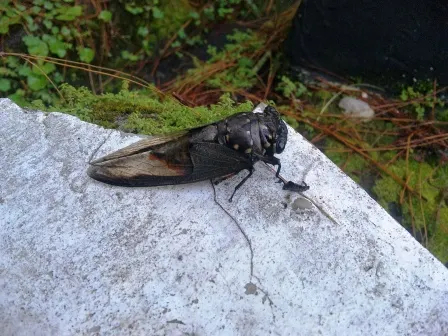
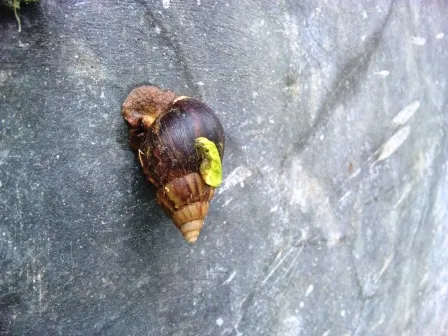
A cicada and a snail we found when we went out for breakfast. Both a little different from the Japanese ones.
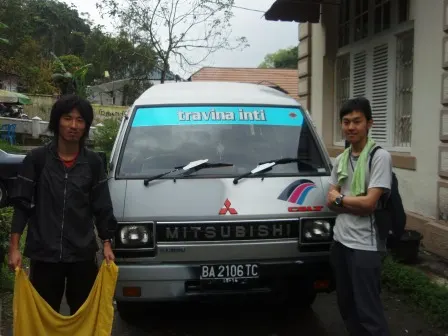
In the morning the guide came to pick us up from our lodging.
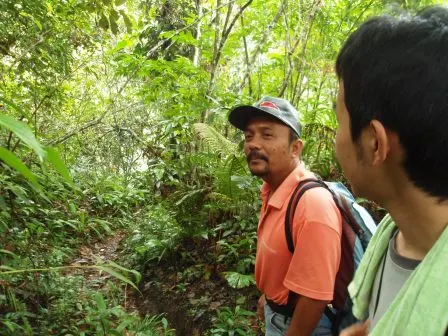
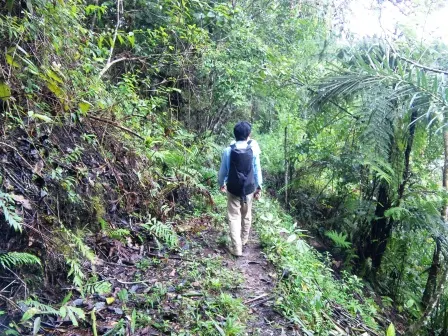
The trek begins! The stage for the trek was the Ngarai Sianok canyon near Bukittinggi, known as the Grand Canyon of Sumatra. There was no signpost at the start; we descended to the bottom of the canyon following a trodden path. The guide spoke fluent English, and was kind enough to explain all about the jungle, plants and so on, as we walked.
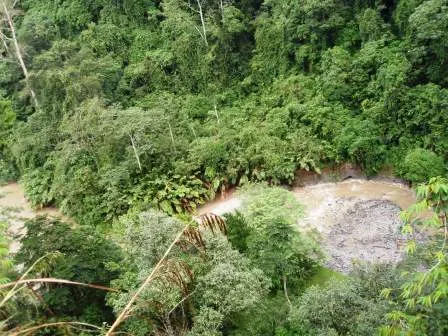
As we threaded our way down to the bottom of the valley between the dense trees, a muddy brown river came into view. It seemed to be flowing very fast.
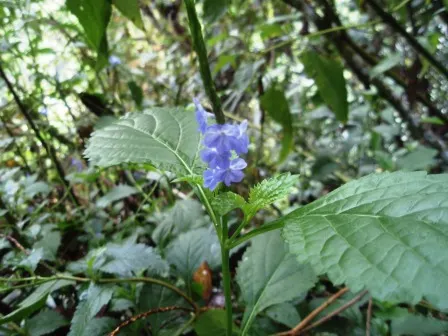
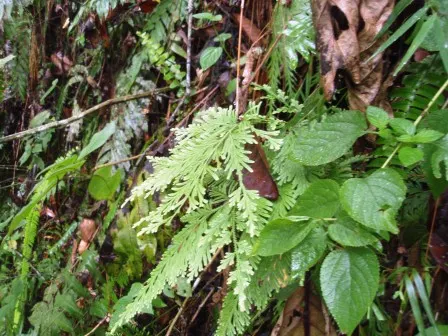
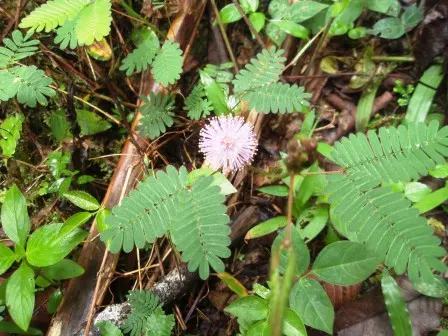
The rainforest is made up mainly of tall broadleaf trees, but small plants also live near the ground, where only a little sunlight reaches.
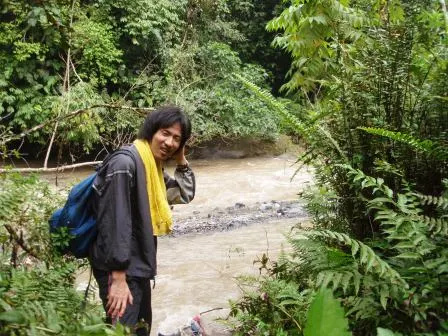
Reaching the bottom of the valley, the usual path had unfortunately been washed away by the river.
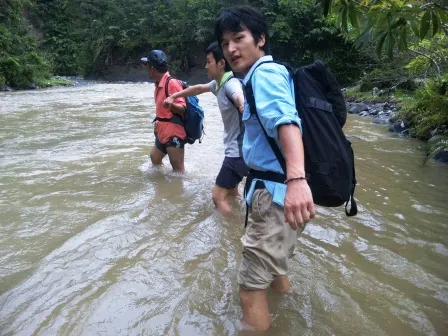
So we crossed the river in a chain, holding on to each other. I thought it would be a gentler trek, so doing something like this right at the start was a huge surprise!
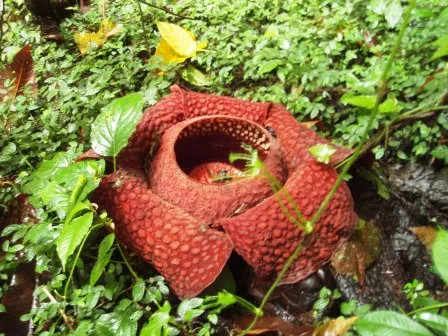
Right after crossing the river, we were greeted by the world's largest flower, the rafflesia. The guide had told us beforehand that it had withered three days ago, so we were surprised. Sure enough, next to this flower were the blackened remains. More rotten than withered.
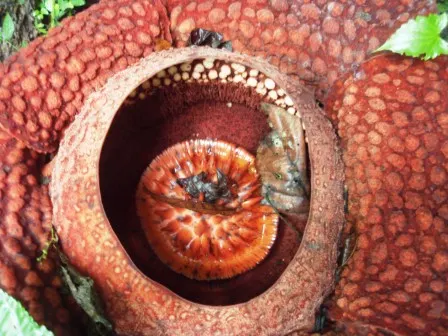
The inside of the flower is spiky and a little grotesque.
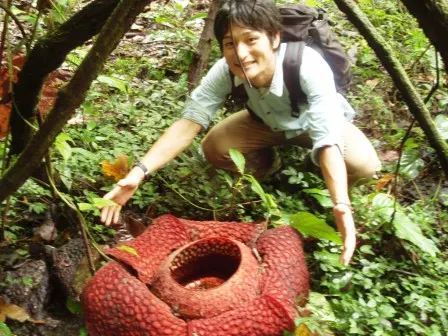
Look how big it is compared with a person!!
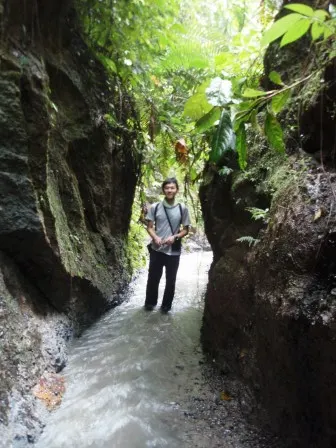
We followed a path with no signposts, and climbed up a stream we thought we would just cross. A truly wild trek. And leeches appeared, like the ones you often meet in Japanese mountain streams!
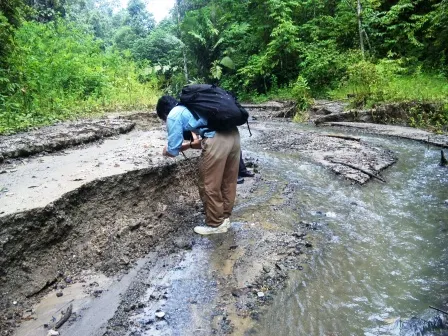
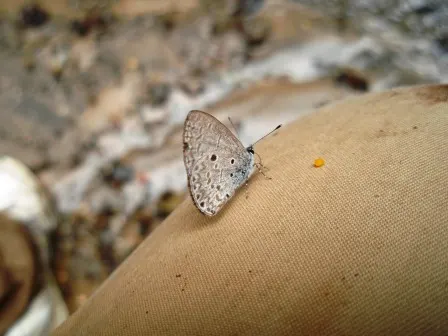
A short break beside the stream. There was a butterfly that looked like it could live in Japan too.
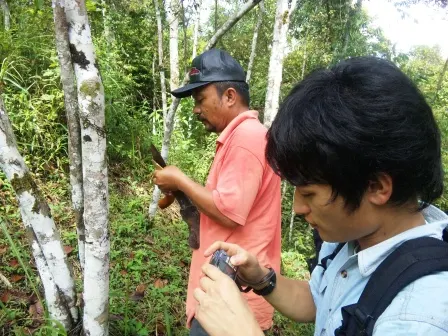
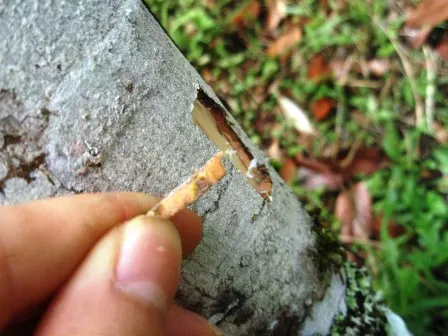
From the bottom of the canyon, the climb began. During a short break on the slope, the guide said this tree is cinnamon, took out a knife and started cutting off the bark. He gave us a piece of bark, and when we smelled it, it really was cinnamon itself. I didn't know cinnamon came from trees like this.
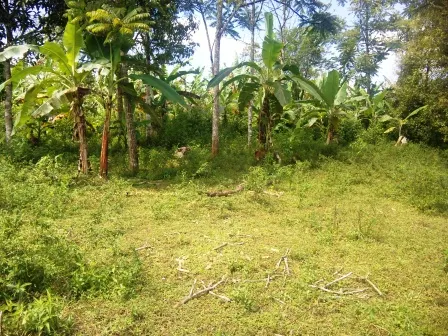
At the top of the slope, banana plantations spread out. We were already in the area where people live.
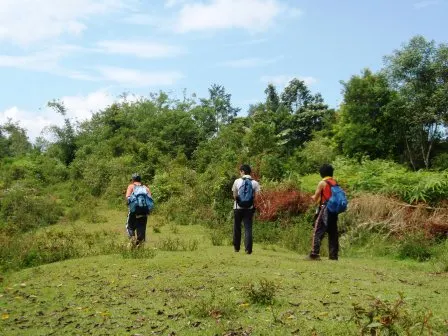
The weather was fine, very peaceful.
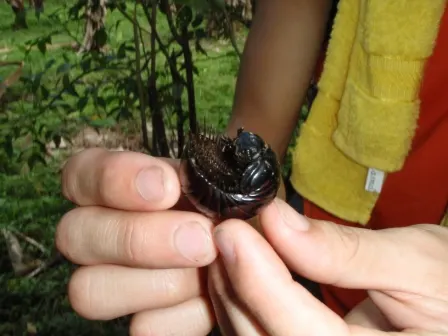
We also met a pill bug as big as a thumb.
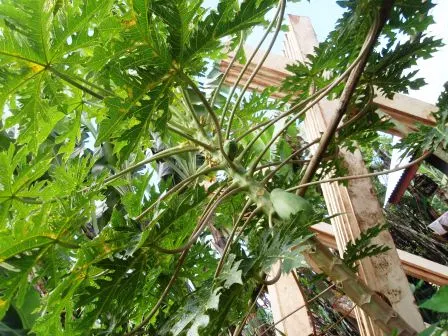
Hanging from the trunk are papayas.
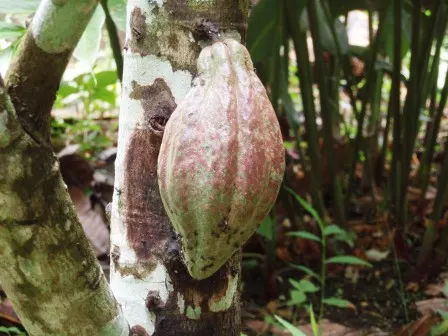
Cacao pods sprout straight out of the trunk too.
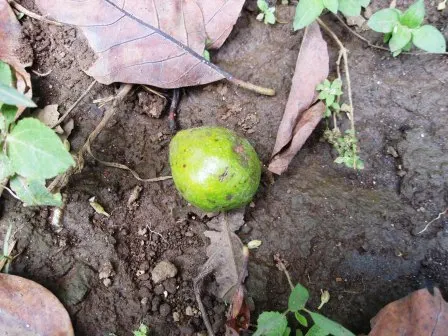
This green fruit is avocado.
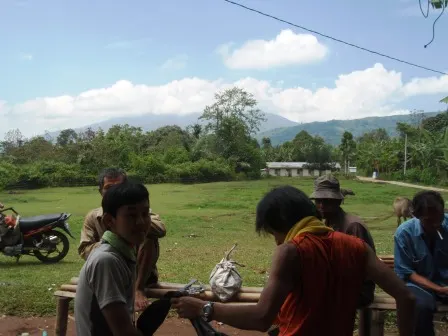
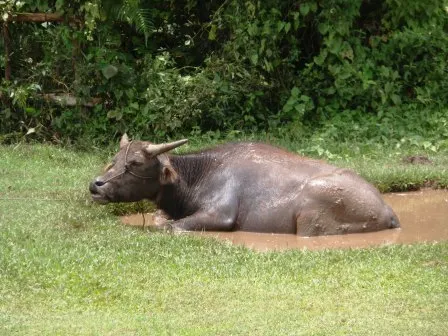
A short break at a kiosk. In the field in front of us, water buffalo were bathing.
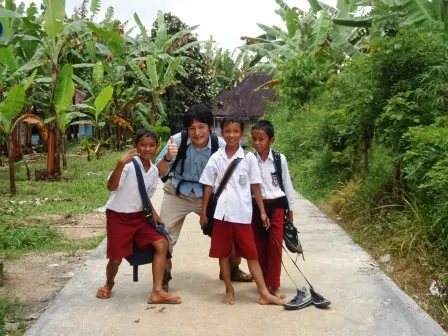
Perhaps foreigners were a rarity; children followed us, laughing. The girls must have been shy: when I pointed the camera at them they squealed and ran away.
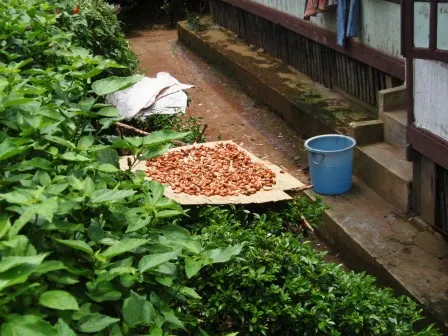
Peeled cacao beans were drying in front of a house.
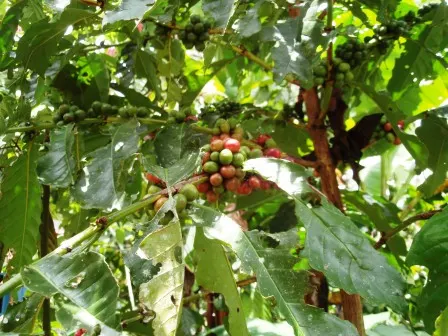
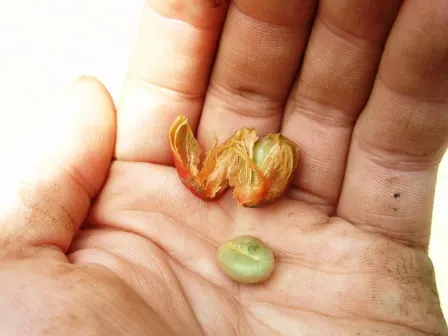
Red and green berries. These are coffee beans. When we peeled one, it really was shaped like a coffee bean. They're green before roasting.
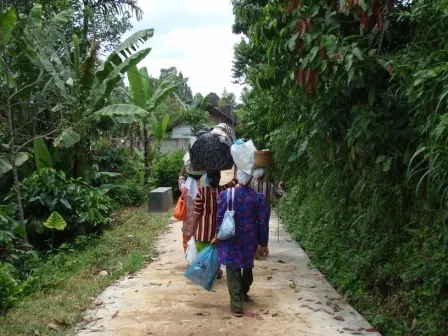
Women carried loads on their heads, deftly keeping their balance.
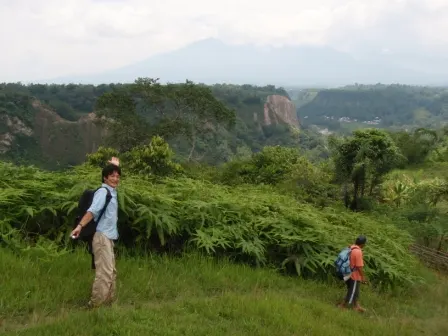
This is the Ngarai Sianok canyon, along whose bottom we had walked.
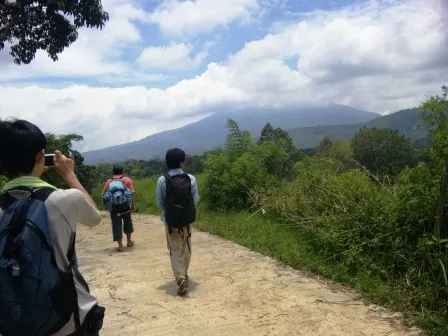
With Mt. Singgalang in the distance, we walked along a paved road.
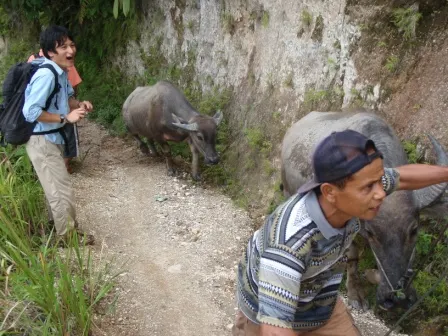
Eventually the road turned to dirt again, and as we went down the zigzag slope, a water buffalo came up from below, being whipped on the rump.
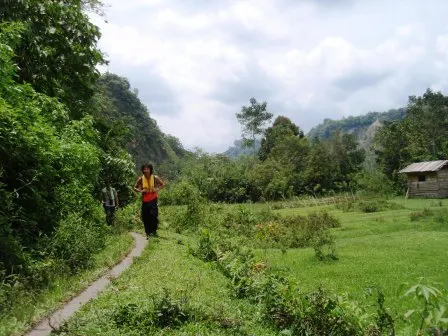
Back down at the bottom of the canyon, the path became a trail only people could use. In reality, though, several motorbikes came and went.
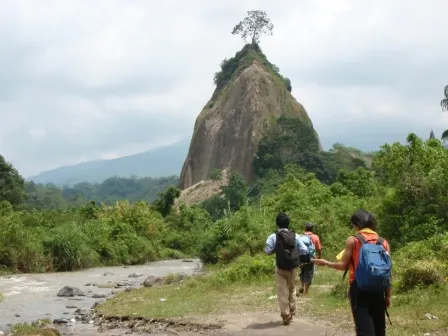
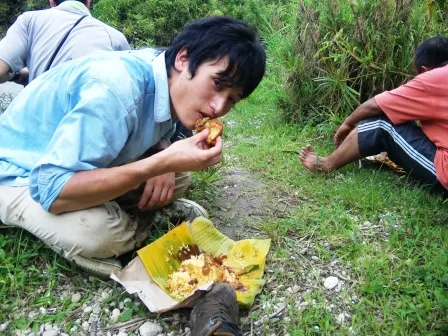
Lunchtime on a riverbank with a striking, oddly shaped rock in view. This nasi campur wrapped in a banana leaf was handmade by the guide's wife.
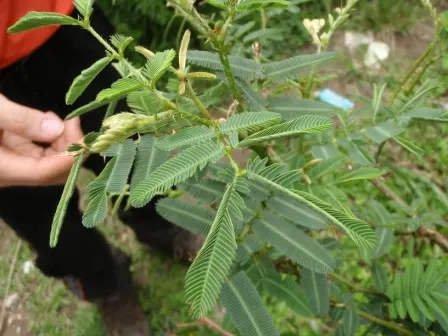
Mimosa (sensitive plant) on the riverbank.
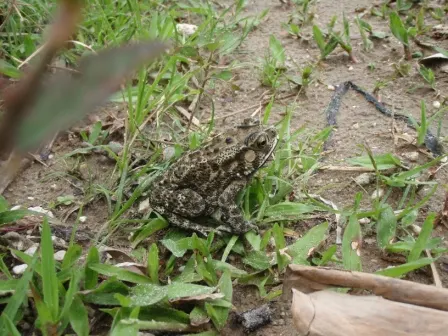
A warty toad on the riverbank.
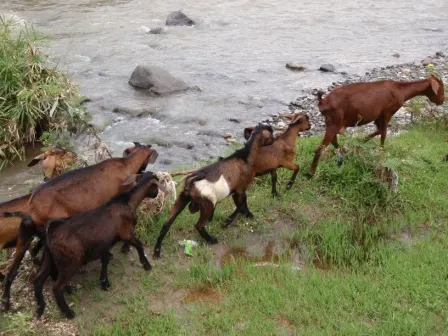
Goats on the riverbank.
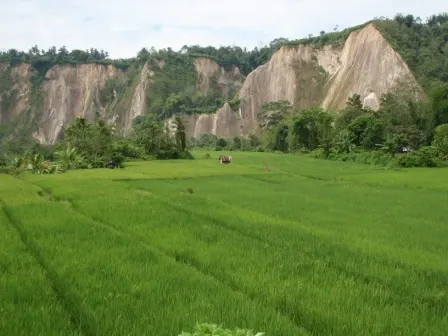
Rice paddies spreading through the canyon. Apparently some areas of Sumatra grow three crops a year. Unlike Japan, it was quite normal to see one paddy just planted and another already being harvested.
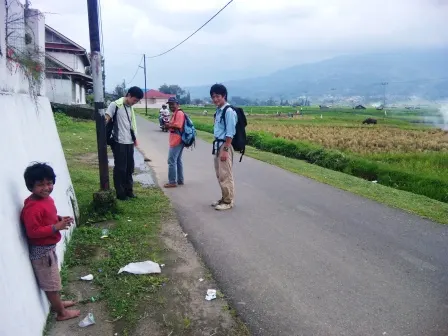
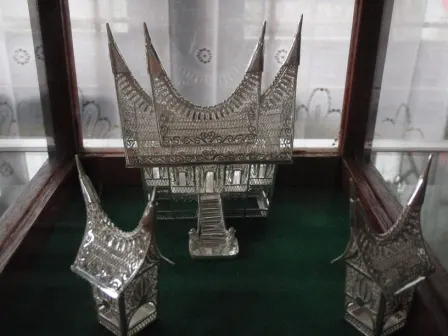
Leaving the canyon, we walked through the town of Koto Gadang, famous for silverwork.
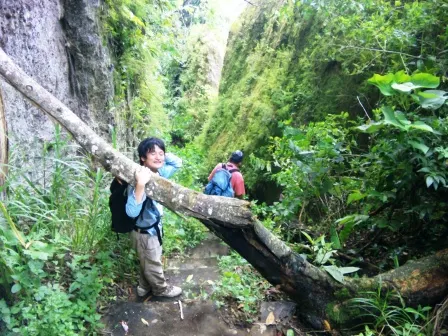
We tried to cross the canyon again to get back, but the path had collapsed and was impassable. We reluctantly caught a shared taxi back.

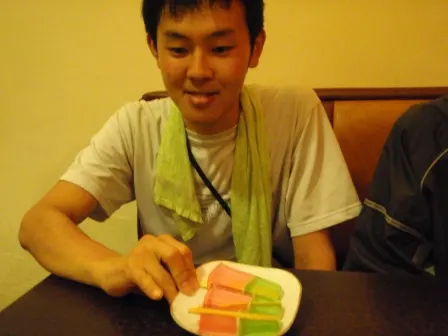
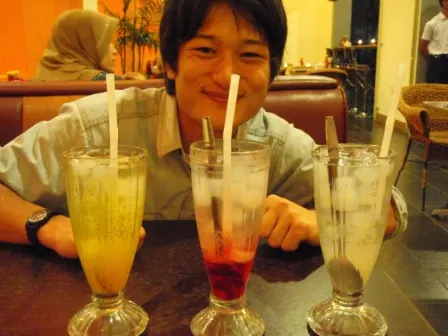
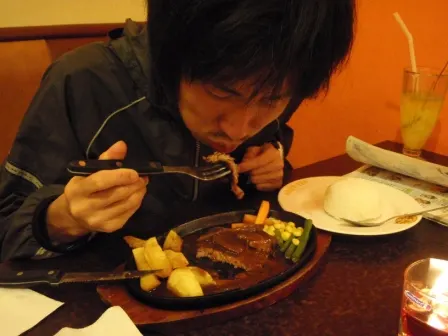
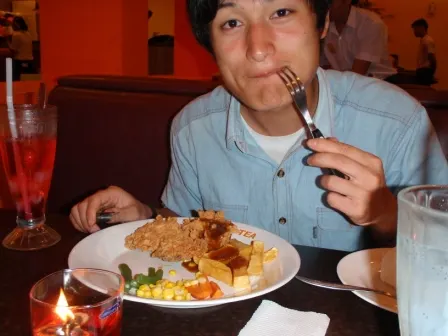
Walking from morning to evening, we were a little tired. For dinner we went to a slightly stylish restaurant. Nice for being reasonable despite how it looked: a steak set was about 300 yen. With trendy juices with little bits in them and a free jelly bar as a starter, it was a place that would be popular even in Japan.
To the next day